Zahedan, Iran – Two young Baloch men, Mohammad Darwish Naroyi (22) and Yasin Kabdani (21), have been executed by the Iranian authorities on charges of “war against God” (moharebeh) and “corruption on earth” (efsad fel-arz), according to a report from Hengaw for Human Rights. The executions, carried out after months of reported torture and denial of legal counsel, have sparked renewed outrage among rights organizations and opposition groups.
The two were arrested in Zahedan during the Women, Life, Freedom movement protests on February 16, 2023, and sentenced in a closed trial widely criticized for lacking transparency and fairness.
In the same case, Benjamin Kuhken, who was only 16 years old at the time of arrest, was also tried and immediately placed in solitary confinement in the Zahedan Children’s Correctional and Education Prison. Kuhken’s current condition and sentencing remain unknown, and his family has reportedly been denied all contact.
Human rights organizations have raised concerns over the increasing use of the death penalty by the Islamic Republic, particularly against ethnic minorities. Kurdish and Baloch communities have been disproportionately affected, with executions often based on confessions allegedly obtained under torture.
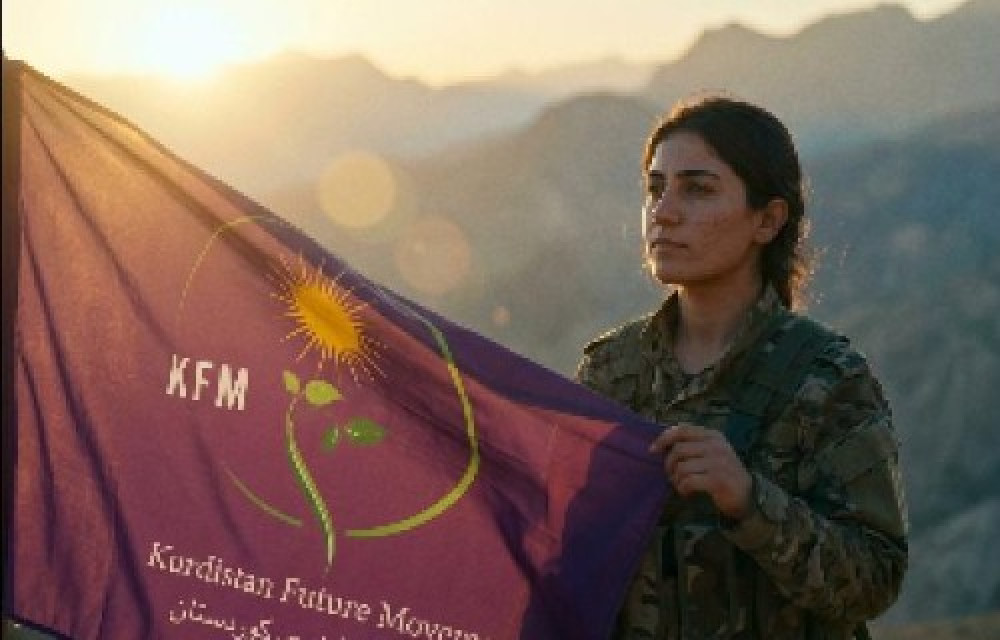
“The regime’s execution machine is targeting the youth of Iran—especially among the Kurdish and Baloch populations—as part of a broader effort to silence dissent,” said a spokesperson for the Kurdistan Future Movement, which condemned the executions in a statement.
Reports indicate that dozens of detainees from the 2022–2023 protest wave are currently on death row. Legal experts and human rights defenders argue that the use of vague charges such as moharebeh and efsad fel-arz has become a tool for suppressing opposition voices.
The Kurdistan Future Movement has called on the international community, the United Nations, and global human rights organizations to respond decisively and hold Iranian authorities accountable for what it described as “crimes against humanity.”
The statement warned that failure to act would further embolden the Iranian government to expand its campaign of repression through executions and imprisonment.
As the executions continue, activists emphasize that the deaths of Naroyi and Kabdani must not be forgotten. Their cases are seen as symbols of a larger pattern of systemic oppression targeting Iran’s most marginalized communities.